How to Prevent Cavities in Children: 10 Practical Tips

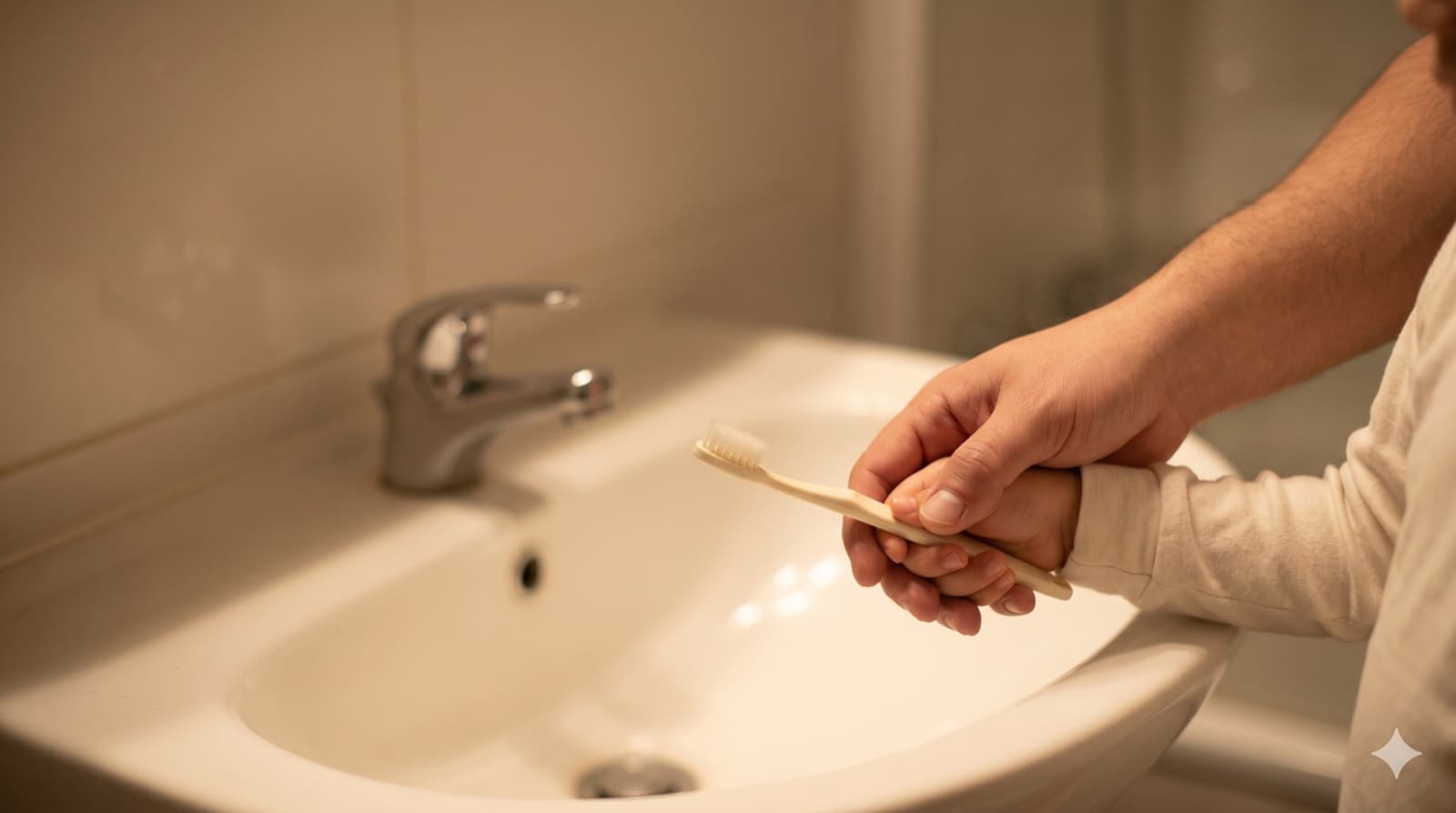
At Bites Odontopediatría in Vitacura, cavity prevention is the backbone of every checkup. I'm Dra. Florencia Nogueira, pediatric dentist, and here are the 10 tips I use most with families in my practice, based on current clinical evidence.
Cavities remain the most common chronic disease in children
According to the World Health Organization, cavities affect 60-90% of school-age children worldwide. In Chile, Ministry of Health data show that close to 70% of 6-year-olds already have at least one cavity. The good news is that they are almost entirely preventable with proper habits starting at an early age.
As a pediatric dentist, I see families every day who come in worried because their children have cavities despite "brushing every day." The problem is almost never a lack of effort. It comes down to technique, frequency, and some habits that go unnoticed. Here are 10 concrete tips that actually work.
1. Start brushing from the very first tooth
There is no need to wait until all the teeth have come in. From the moment the first baby tooth appears (around 6 months of age), you can start using an infant toothbrush with soft bristles. Before that, you can clean your baby's gums with a damp gauze pad after each feeding.
2. Use fluoride toothpaste from the start
The American Academy of Pediatric Dentistry recommends using fluoride toothpaste from the eruption of the first tooth. The amount varies by age:
- 0 to 3 years: a rice-grain-sized smear (1,000 ppm fluoride).
- 3 to 6 years: a pea-sized amount (1,000-1,450 ppm fluoride).
- From age 6: an adult-sized amount (1,450 ppm fluoride).
Fluoride strengthens tooth enamel and helps remineralize early lesions before they become full cavities.
3. Brush for two minutes, at least twice a day
The single most important brushing session is the one before bed. During sleep, saliva production drops significantly and teeth become more vulnerable to acid attacks. A thorough nighttime brushing makes an enormous difference.
Recommended technique for children
For young children, the circular technique works well: small round motions on the tooth surfaces, covering both the gum line and the tooth. For older children, you can gradually introduce the modified Bass technique, with short sweeping strokes from the gum toward the tooth.
The key point: parents should supervise and assist with brushing until age 8-9. Before that age, children lack the fine motor skills to do a thorough job on their own.
4. Don't forget to floss
When a child's teeth are close together with no visible gaps, the toothbrush cannot reach the contact surfaces between them. Flossing should begin as soon as two teeth are touching. For young children, floss holders make the process much easier.
5. Manage sugar intake
The bacteria that cause cavities feed on sugars. Every time a child eats something sweet, bacteria produce acids that attack the enamel for roughly 20-30 minutes. If a child snacks on sweet foods several times a day, the acid attack becomes almost constant.
What to watch for
- Juices and sugary drinks: even "natural" juices contain high amounts of sugar. Water is always the best choice.
- Crackers and between-meal snacks: crackers stick to teeth and extend sugar exposure.
- Nighttime bottle or nursing: letting a baby fall asleep with a bottle of milk or juice is one of the highest risk factors for early childhood caries.
The goal is not to eliminate all sweets, but to limit them to mealtimes and brush afterward.
6. Apply dental sealants
Sealants are a protective coating placed on molars that seals the grooves and pits where bacteria and food debris accumulate. The procedure is quick, painless, and highly effective.
Sealants are recommended for:
- First permanent molars (around age 6).
- Second permanent molars (around age 12).
- Baby molars with deep grooves, if the child has a high caries risk.
Studies published in the Journal of Dental Research show that sealants reduce the risk of cavities in molars by up to 80% during the first two years after application.
7. Visit the pediatric dentist every 6 months
Regular checkups allow us to detect cavities at very early stages, when they can still be reversed without invasive treatment. Each visit also allows us to assess the child's individual risk level and adjust preventive measures accordingly.
The first visit to a pediatric dentist should happen by the child's first birthday or within 6 months of the first tooth erupting. What that first appointment looks like is covered in our first-visit guide.
8. Consider professional fluoride treatments
In addition to fluoride toothpaste, professional fluoride varnish applied at the dental office is a preventive measure with strong scientific evidence. It is recommended every 6 months for children at moderate risk and every 3 months for children at high risk of cavities. The procedure is simple and takes less than a minute.
9. Support overall nutrition
A diet rich in calcium, phosphorus, and vitamins A and D contributes to strong tooth development. Foods like dairy products, fish, eggs, fruits, and vegetables are great allies for dental health.
Cheese, for example, has a protective effect on enamel: it stimulates saliva production and provides calcium and phosphate that help neutralize acids.
10. Lead by example
Children learn by imitation. When they see their parents brushing their teeth with care and consistency, they adopt the habit much more naturally. Brushing together can become a moment of family connection and a daily reinforcement of good oral hygiene.
Prevention is always better than treatment
Preventing cavities does not require extraordinary effort, but it does require consistency and good information. With a proper hygiene routine, regular dental visits, and mindful eating habits, the vast majority of childhood cavities are avoidable.
At Bites Odontopediatría, we take a prevention-first approach from the very first appointment. If you have questions about your child's dental health or want to evaluate their cavity risk, we invite you to schedule a visit at our clinic in Vitacura, Santiago. We are here to help.

Written by
Dra. Florencia NogueiraCo-founder · Pediatric Dentist · Clinical Director
Dr. Florencia Nogueira is a pediatric dentist and Clinical Director of Bites. A pioneer of laser pediatric dentistry in Chile, dedicated to creating positive experiences for the youngest patients, from infancy onwards.
Bites Odontopediatría · Vitacura, Santiago