First Dental Visit: Guide for Parents

When Should My Child See a Dentist for the First Time?
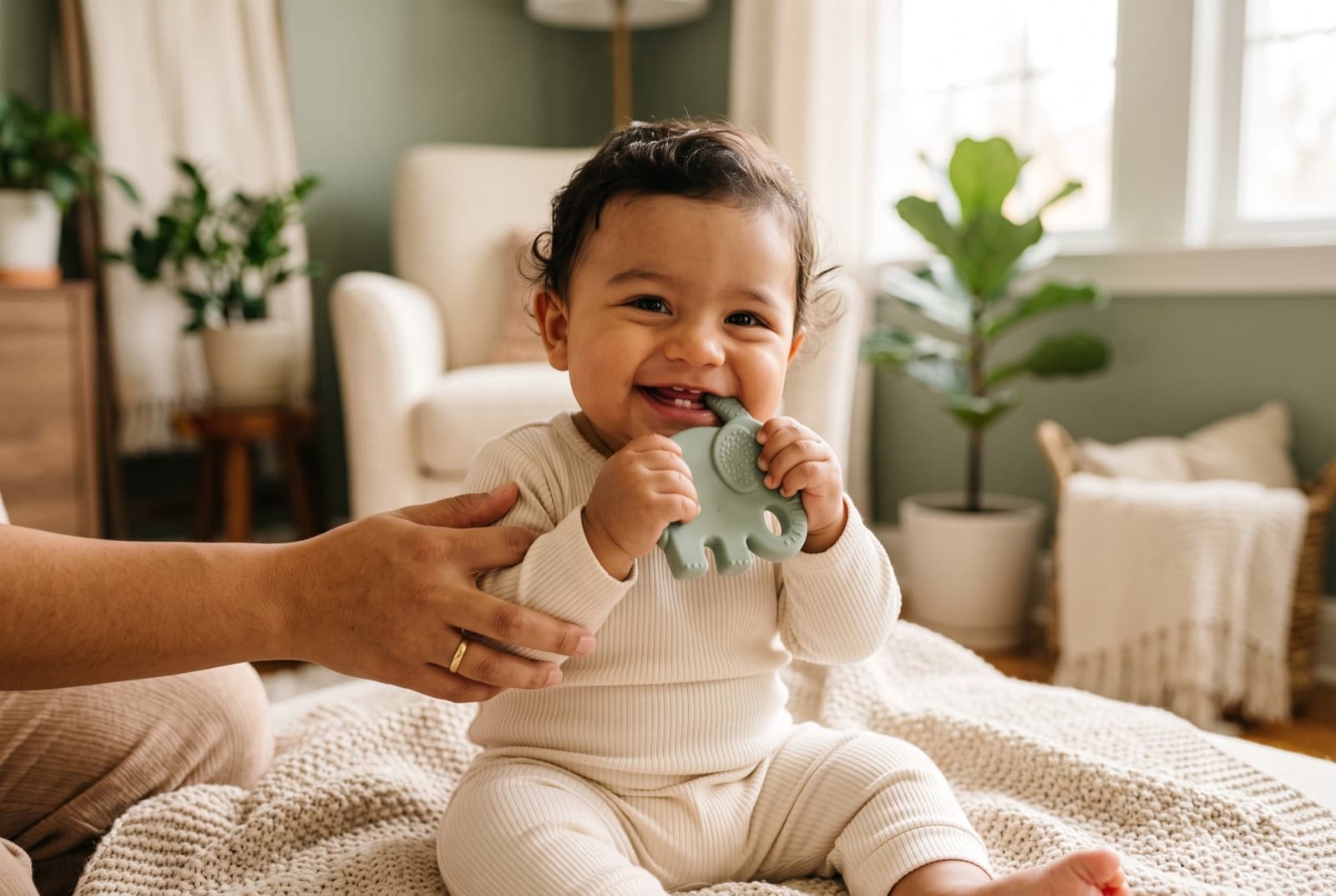
At Bites Odontopediatría, in Vitacura, we recommend that a child's first dental visit happen before their first birthday, or within six months of the first tooth appearing. It's the same recommendation made by the American Academy of Pediatric Dentistry (AAPD), and it's the question I hear most often from parents.
I know that sounds early. Many parents tell me, "But they only have one tooth. Why bother?" The reason is straightforward: prevention starts with the very first tooth. Cavities are a chronic disease that can be prevented by monitoring oral habits from an early age, and catching them early makes an enormous difference. We also use that first visit to talk about other topics: pacifier and bottle use, nutrition, sleep, breathing. Many times, pediatric dentists are the ones who detect issues from other areas just by looking at the mouth. A timely referral can prevent many problems down the road.
According to AAPD data, children who have their first dental visit before age one are 40% less likely to need emergency dental treatment in the years that follow.
What to Expect at the First Appointment
The first visit at Bites Odontopediatría is designed to be thorough, friendly, and pressure-free. This is not a standard dental appointment. It is a chance for us to meet, check that everything is developing well, and talk with you about the care your child needs.
What We Do
- Complete extraoral and intraoral examination: we observe everything from how the child moves or walks to a thorough examination of gums, erupted teeth, frenulum, palate, tongue, and bite alignment.
- Cavity risk assessment: we look at factors like diet, nighttime bottle use, current hygiene habits, and family dental history.
- Cleaning and fluoride application: If the child is ready and if it is indicated.
- Parent education: we discuss brushing techniques appropriate for your child's age, fluoride toothpaste use, nutrition, and habits like pacifier use or thumb sucking.
What We Don't Do
We try not to force anything. If it is not an emergency, we respect the child's pace as much as possible. Building trust is a core part of pediatric dentistry. Sometimes the first visit is just sitting in the chair and looking around the office. That alone is progress.
How to Prepare Your Child
A little preparation at home can go a long way. Here are some tips that work well:
Talk About It Naturally
Tell your child you are going to visit a doctor who will count their teeth. Avoid phrases like "it won't hurt" or "don't be scared". These introduce fears they might not have had. Try something like, "We're going to a fun place where they take care of smiles."
Play Dentist at Home
With a toothbrush, a small mirror, and a stuffed animal, you can act out a dental visit. "Let's check the bear's teeth". This kind of role play reduces anxiety by making the unfamiliar feel familiar.
Choose the Right Time
Try to schedule the appointment when your child is rested and fed. A tired or hungry toddler will have a harder time no matter how welcoming the office is.
Stay Calm Yourself
Children pick up on everything. If you feel anxious or nervous, they will sense it. If you had difficult dental experiences growing up, do your best not to pass those feelings along. Pediatric dentistry today looks very different from what most of us remember.
How We Do Things at Bites
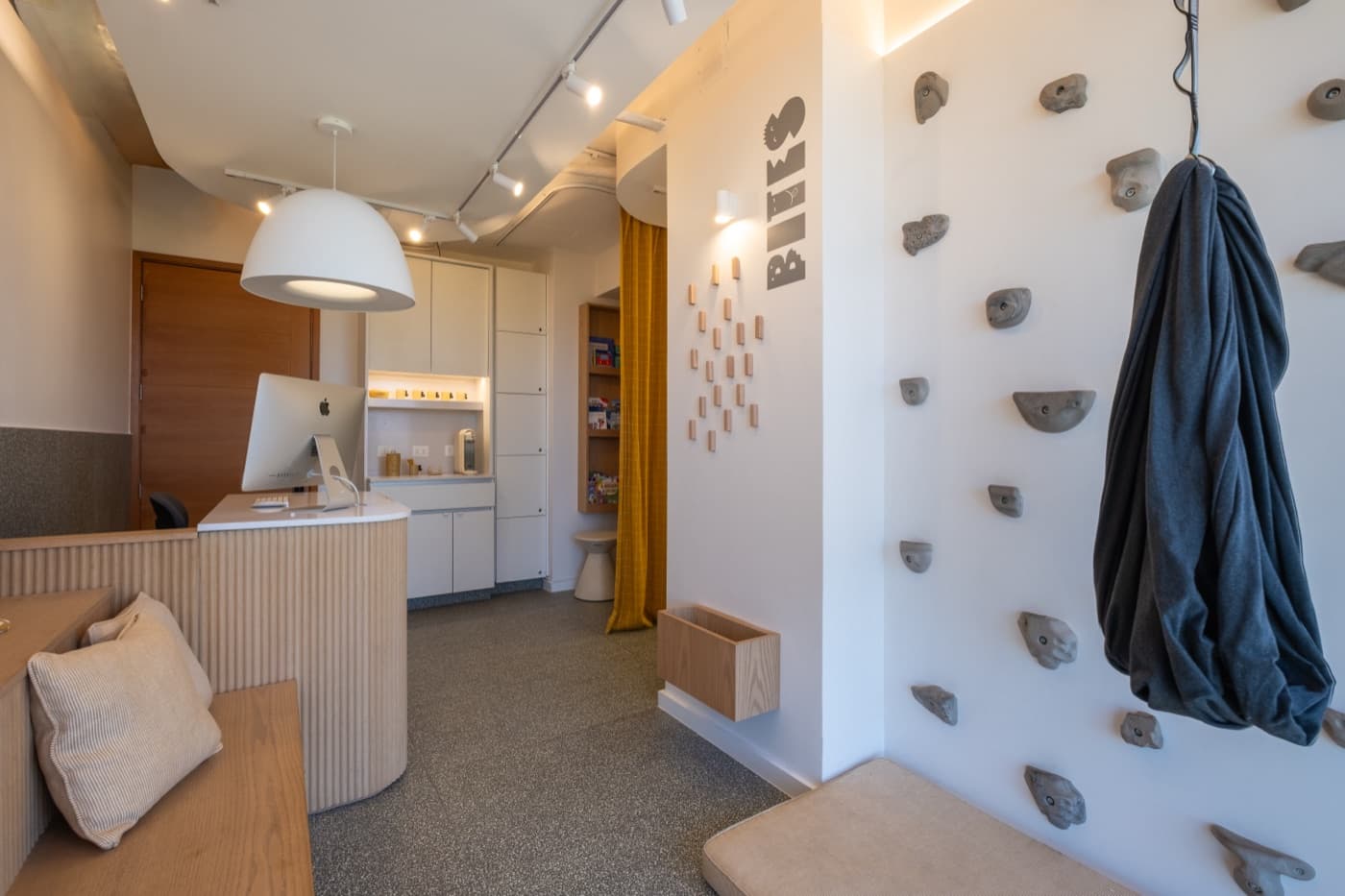
At Bites Odontopediatría, every detail is designed with children in mind. From the office decor to the language we use, everything aims to help kids feel safe and comfortable.
A Child-Friendly Space
Our office in Vitacura, Santiago, does not look like a traditional dental clinic. The colors, the play areas, and the layout are all created so children arrive happy, not scared.
Evidence-Based Behavior Guidance
We use proven techniques to guide behavior during appointments:
- Tell-Show-Do: we explain what we are going to do, show the child using stuffed animal models with little teeth, and only then proceed in their mouth.
- Positive reinforcement: we celebrate every achievement, no matter how small. We have lots of fun prizes.
- Distraction: ceiling-mounted screens, music, and conversation help the time in the chair pass quickly.
Advanced Technology
We have an intraoral scanner and dental laser, which allow us to perform many procedures in a more child-friendly way. This completely transforms the experience.
Do Baby Teeth Really Matter?
Yes, and more than most people think. "They're going to fall out anyway, so why take care of them?" is something I hear regularly. Baby teeth serve critical functions:
- Eating: they allow proper chewing for the first 6 to 12 years of life.
- Speech: they are essential for pronouncing many sounds correctly.
- Space maintenance: they hold the space for permanent teeth to erupt in the right position.
- Self-esteem: a child dealing with dental pain or visibly damaged teeth can be affected emotionally and academically.
An untreated cavity in a baby tooth can affect the developing permanent tooth underneath. Early care prevents serious problems down the road.
How Often Should We Visit After That?
The standard recommendation is every six months, but in some cases we suggest more frequent checkups (every 3 to 4 months), especially for children with a high cavity risk, orthodontic appliances, or special needs.
At each checkup, we provide:
- A complete examination of teeth and gums.
- Professional cleaning.
- Fluoride varnish application (based on age and risk level).
- A new toothbrush and reinforced oral hygiene instructions.
- Most importantly: we answer all your questions. That is what we are here for.
Your Next Step
If your child has not yet visited a dentist, now is a great time to schedule that first appointment. Do not wait for a problem to appear. Prevention is always simpler, more affordable, and far less stressful than treatment.
At Bites Odontopediatría (Vitacura, Santiago), we love welcoming new patients. You can book an appointment through our website or via WhatsApp. We look forward to meeting you and your little one.

Written by
Dra. Florencia NogueiraCo-founder · Pediatric Dentist · Clinical Director
Dr. Florencia Nogueira is a pediatric dentist and Clinical Director of Bites. A pioneer of laser pediatric dentistry in Chile, dedicated to creating positive experiences for the youngest patients, from infancy onwards.
Bites Odontopediatría · Vitacura, Santiago