
Pediatric sleep medicine · Santiago
Bruxism in children
Bites Odontopediatría, in Vitacura, Santiago, evaluates pediatric bruxism through the integrated work of pediatric dentistry and pediatric sleep medicine. Dra. María Luisa López leads this consultation. When a child grinds or clenches their teeth at night, the dental wear is rarely the whole story: bruxism in children is closely tied to airway, sleep quality and sometimes reflux. We don't just look at the teeth — we examine palate, tongue posture, tonsil size and nocturnal breathing pattern, and coordinate referrals to ENT or pediatric sleep medicine when appropriate.
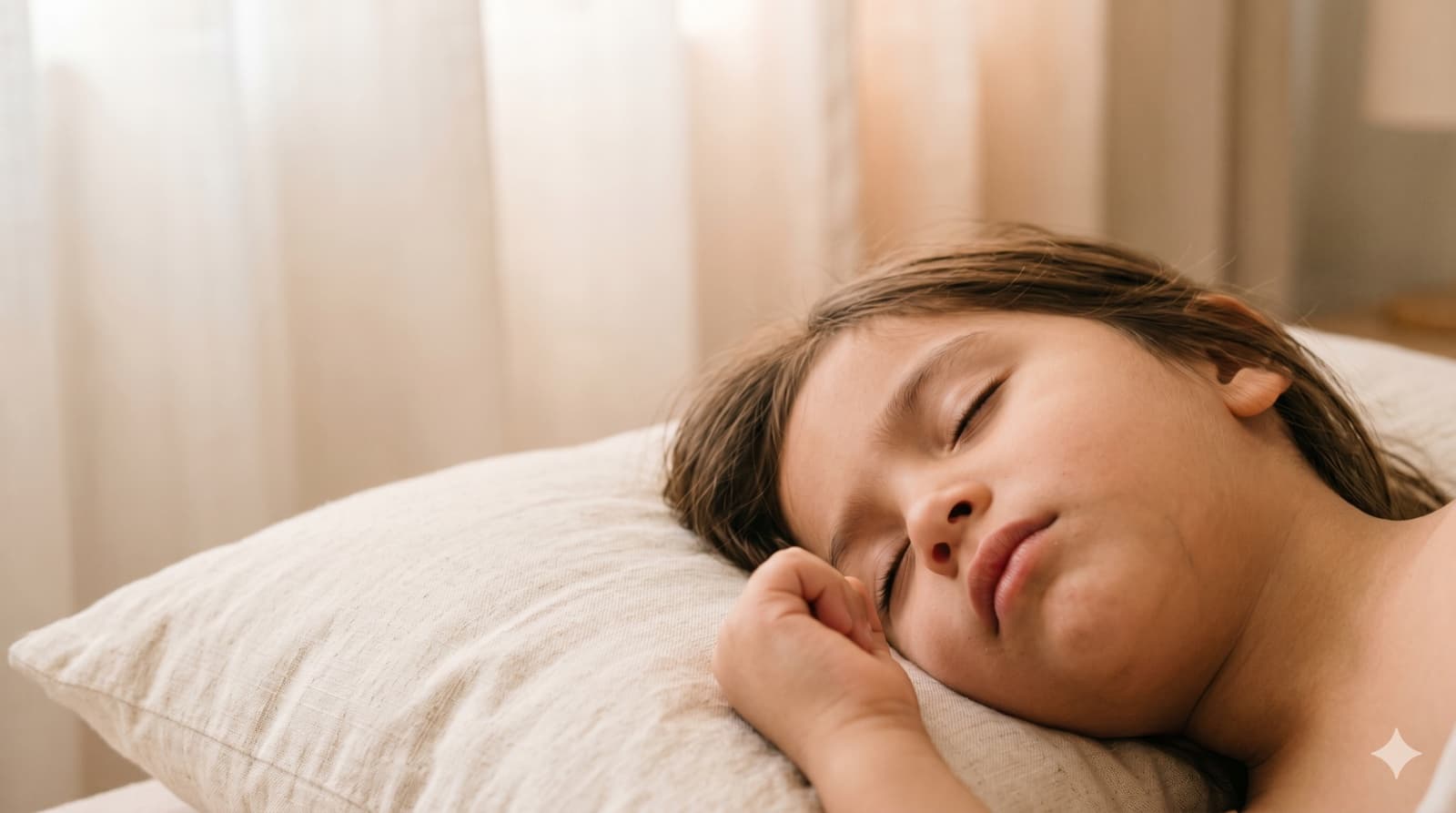
The four most common causes of bruxism in children
- 1
Compromised airway
Adenotonsillar hypertrophy, chronic rhinitis or unfavourable palatal anatomy fragment sleep and produce reactive bruxism. This is the most common cause we identify in clinic when bruxism is persistent and audible. Pediatric ENT referral when indicated.
- 2
Gastroesophageal reflux
Nocturnal acidity triggers micro-arousals and increases masticatory muscle tone. When bruxism comes with chronic bad breath, morning hoarseness, recurrent pharyngitis or dental erosion on the palatal surface of upper incisors, we suspect silent reflux and refer to pediatric gastroenterology.
- 3
Emotional tension
School transitions, anxiety, recent trauma, family changes. Stress-related bruxism tends to come and go with the source of tension. In these cases we coordinate with the pediatrician or pediatric psychologist, and consider an age-adapted splint only if there is meaningful dental wear.
- 4
Developing occlusion
During dental transition (around ages 6-9, when primary teeth fall out and permanent teeth erupt) some bruxism is relatively common and often self-resolves as the new occlusion stabilizes. We monitor with clinical photographs and follow up at the routine check-up cadence.
Frequently asked questions
What is bruxism in children?
Bruxism is the act of grinding or clenching the teeth, usually during sleep (nocturnal bruxism) and sometimes while awake (awake bruxism). In children it is common between ages 3 and 6, when primary teeth are in active use, and is often transient. We evaluate it clinically when it is persistent, audibly loud, associated with visible dental wear, morning jaw pain or snoring. At Bites Odontopediatría in Vitacura, Santiago, the pediatric bruxism consultation is led by Dra. María Luisa López, a pediatric sleep medicine specialist integrated with pediatric dentistry.
My child grinds their teeth at night, is it normal?
It can be normal at certain developmental stages. Until ages 6-7, occasional nocturnal bruxism is common and not always pathological. What we evaluate: grinding several nights a week, audible from another room, morning jaw pain or headache, visible dental wear, snoring or restless sleep. Any of those signs makes bruxism worth investigating, especially in relation to airway: persistent pediatric bruxism is strongly associated with sleep-disordered breathing.
Why do children grind their teeth?
The four most common causes in pediatrics are: compromised airway (adenotonsillar hypertrophy, chronic rhinitis or unfavourable palatal anatomy fragment sleep and produce reactive bruxism), gastroesophageal reflux (nocturnal acidity triggers micro-arousals and increases jaw muscle tone), emotional tension (school changes, anxiety, recent trauma), and developing occlusion (during dental transition it's relatively common and often self-resolves). Identifying the cause requires functional examination, not just observation. Most pediatric cases are treatable when the cause is addressed, not the symptom.
When is pediatric bruxism concerning?
It's concerning and worth consulting when any of these signs are present: visible dental wear on canines or molars, recurrent morning jaw pain or headache, audible noise several nights per week, habitual associated snoring, fragmented or restless sleep, nocturnal sweating without heat, or daytime irritability and poor school performance. The combination of bruxism plus snoring is the most revealing: in pediatrics it's strongly associated with obstructive sleep apnea, and requires integrated evaluation of airway, occlusion and tongue posture.
Does my child need a night guard for bruxism?
In children, night guards are the exception, not the rule. They aren't prescribed up front because teeth and facial bones are still growing, and a poorly fitted appliance can interfere with development. The clinical strategy is to first identify and treat the cause: airway, reflux, tension, occlusion. If bruxism persists after that and there's significant dental wear, we can consider an age-adapted splint with periodic follow-up to update it as the child grows. This is the opposite of adult management, where night guards are usually first-line.
Is there a link between bruxism and breathing problems in children?
Yes, and it is one of the most important associations in modern pediatric dentistry. Persistent nocturnal bruxism in children is closely linked to sleep-disordered breathing: chronic mouth breathing, snoring, pediatric obstructive sleep apnea. The mechanism is sleep fragmentation and micro-arousals from airway obstruction. So when a parent consults about bruxism, at Bites we don't just look at the teeth: we examine palate, tongue posture, tonsil size and nocturnal breathing pattern, and refer to ENT or pediatric sleep medicine when appropriate.
Read more on this topic
Deep dive
Pediatric bruxism and sleep: the pediatric dentist's view
The full clinical breakdown linking sleep, bruxism and pediatric airway.
Related
My child breathes through the mouth while sleeping
The airway connection to bruxism, expanded.
Topic hub
Sleep, breathing and pediatric bruxism
All Bites posts and resources on pediatric sleep and airway.
Schedule a pediatric bruxism evaluation
45-minute consultation: clinical history, functional intraoral examination, airway and occlusion review, and a referral plan when indicated.
Book a consultation