
Pediatric sleep medicine · Santiago
My child breathes through the mouth while sleeping
Bites Odontopediatría, in Vitacura, Santiago, integrates pediatric dentistry with pediatric sleep medicine through Dra. María Luisa López. When a child breathes through the mouth while sleeping, the cause is rarely just nasal. The mouth is the first place to see consequences of an obstructed upper airway: high-arched palate, crossbite, low tongue posture, bruxism wear. From there we can identify the cause early and coordinate referrals to pediatric ENT, allergist or speech therapist when appropriate.
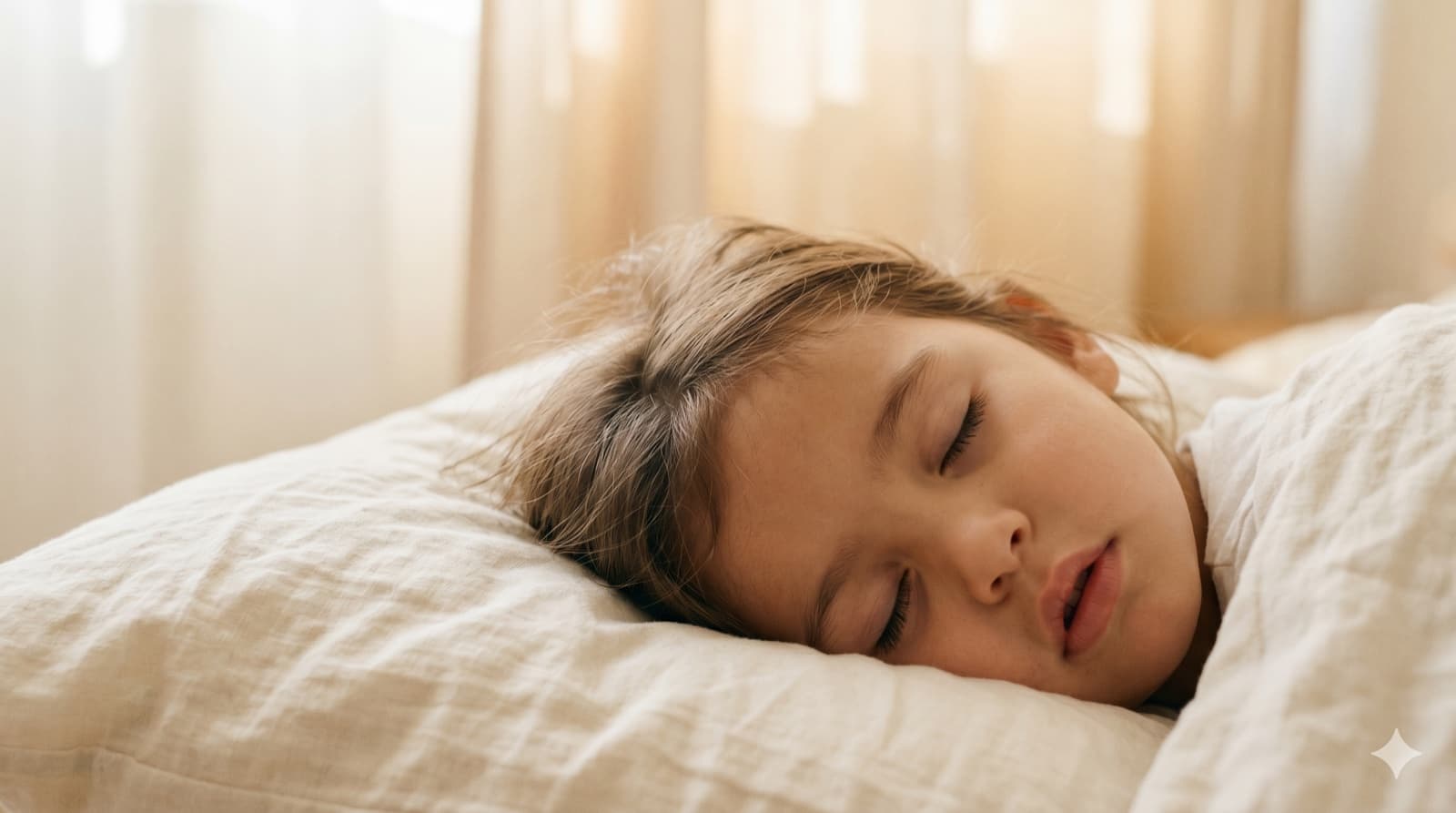
The four most common causes in pediatrics
- 1
Adenotonsillar hypertrophy
The most common cause between ages 2 and 8. Adenoids and tonsils are lymphoid tissue that grows until age 7-8 and then regresses. If they enlarge excessively in that window, they block the nose and narrow the oropharynx. Referral to pediatric ENT.
- 2
Chronic allergic rhinitis
Common in Santiago due to elevated pollution, suspended dust and seasonal pollens. Many children with 'permanent cold' actually have undiagnosed allergic rhinitis. Referral to pediatric allergist or pediatrician.
- 3
Anatomical factors
Narrow palate, retrognathia (mandible set back), short lingual frenum that keeps the tongue low, hypertrophic lingual tonsils. These structural factors are what a pediatric dentist identifies in consultation without additional exams. Treatment depends on the case: palatal expanders can open the palate and significantly improve the nasal airway, but only during childhood, while the bone is still growing.
- 4
Acquired habits
Mouth breathing learned after a long period of congestion that persists once the original cause has resolved. Or prolonged pacifier use modifying the palate. Addressed with orofacial myofunctional rehabilitation (speech therapy) and, when indicated, interceptive orthodontics.
Frequently asked questions
My child breathes through the mouth while sleeping, is it normal?
Habitual mouth breathing during sleep is not normal. An isolated episode during a cold is expected, but sustained mouth breathing while sleeping is a clinical sign worth evaluating. The most common cause between ages 2 and 8 is adenotonsillar hypertrophy, followed by chronic allergic rhinitis and anatomical factors such as a narrow palate or short frenula. At Bites Odontopediatría in Vitacura, my practice combines pediatric dentistry with pediatric sleep medicine to evaluate the airway from the mouth and coordinate referrals when needed. I'm Dra. María Luisa López.
What causes a child to breathe through the mouth while sleeping?
The four most common causes in pediatrics are: adenotonsillar hypertrophy (most common between ages 2-8), chronic allergic rhinitis (common in Santiago due to pollution and seasonal pollen), anatomical factors like narrow palate, crossbite, retrognathia or short lingual frenum, and acquired habits after long periods of congestion. Identifying the cause requires functional examination, not just observation. In the consultation I assess airway status from the mouth and, when needed, refer to pediatric ENT, allergist or orofacial speech therapist.
What are the consequences if my child chronically breathes through the mouth?
Chronic mouth breathing in childhood has cumulative consequences. Maxillofacial: long face (adenoid facies), high-arched palate, crossbite, retrognathia. Cognitive: fragmented sleep, poorer memory consolidation and learning. Behavioural: irritability, hyperactivity, attention difficulties (often confused with ADHD). Growth: growth hormone is secreted primarily during deep sleep, so fragmented sleep can affect height. The orthopedic correction window is childhood, between ages 2 and 12, while facial bones are still mouldable.
My child snores, should I be worried?
Habitual snoring in children (beyond an isolated cold) is not normal and should be evaluated. It's a sign of partial airway obstruction and can be adenotonsillar hypertrophy, chronic rhinitis, unfavourable palatal anatomy or a combination. In severe cases there may be pediatric obstructive sleep apnea, which requires polysomnography to confirm. The good news: in children there's an orthopedic window to intervene while the bones are still growing, something adults no longer have.
When should I see a pediatric dentist for mouth breathing?
Consult if your child habitually breathes through the mouth while sleeping, snores, has restless sleep, nocturnal sweating without heat, unusual sleep postures (extended neck), or shows daytime signs like irritability, hyperactivity, poor school performance or unexplained fatigue. Also if they've been diagnosed with narrow palate, crossbite or short frenum. The first pediatric sleep medicine consultation at Bites takes 45 minutes and includes clinical history, functional intraoral examination, and a referral plan when needed.
Is there a link between mouth breathing and ADHD?
Evidence is growing. Children with fragmented sleep from sleep-disordered breathing present symptoms that overlap with ADHD: daytime hyperactivity, irritability, difficulty concentrating. In clinical practice I often see cases labelled as ADHD that improve significantly once the airway is treated. It's not a universal rule, but it's worth evaluating the airway before accepting an ADHD diagnosis as definitive.
Read more on this topic
Schedule a pediatric sleep medicine evaluation
45-minute consultation: clinical history, functional intraoral examination, and a referral plan when indicated.
Book a consultation