Pediatric Orthodontics: Signs Your Child Needs It

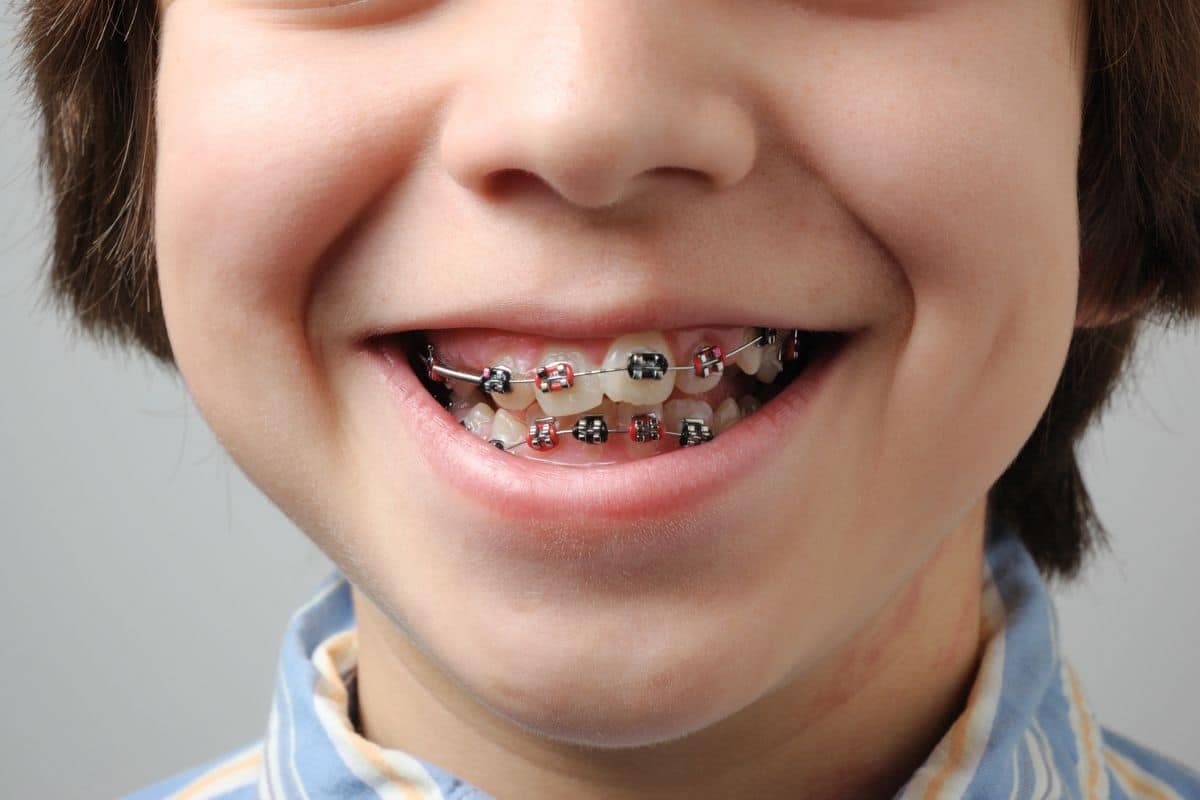
At Bites Odontopediatría in Vitacura, one of the questions parents ask us most often is whether their child will need orthodontics and when to have them evaluated. I'm Dra. Bernardita Astaburuaga, the team's orthodontist, and in this guide I'll walk you through the signs we look for, the ideal age for each intervention, and the appliances we use with children.
You don't need to wait for all the permanent teeth
One of the most persistent myths in dentistry is that orthodontics can only begin once a child has all their permanent teeth, around age 12. The reality is different: the American Association of Orthodontists recommends that every child have a first orthodontic evaluation by age 7.
Why so early? Because by that age, the first permanent molars and incisors have already erupted, and an orthodontist can detect problems in jaw development and tooth positioning that are much easier to correct while the child is still growing.
What is interceptive orthodontics?
Interceptive orthodontics can begin once the child has a complete primary dentition (all baby teeth present) or during the mixed dentition stage, when a child has a combination of baby teeth and permanent teeth. In practice, treatment may start as early as age 3–4 and extend up to around age 11, depending on each case. The goal is not to achieve final alignment, but to intervene at the right time to:
- Guide the growth of the facial bones (maxilla and mandible).
- Create space for incoming permanent teeth.
- Correct habits that are altering development (such as thumb sucking or mouth breathing).
- Reduce the complexity of future orthodontic treatment.
- In some cases, avoid the extraction of permanent teeth later on.
In many cases, early interceptive treatment dramatically simplifies the orthodontic work a child will need during adolescence. In some cases, it eliminates the need for it entirely.
Signs your child may need an orthodontic evaluation
It is not always easy for parents to spot orthodontic issues. Some signs that warrant a consultation include:
In the mouth and teeth
- Crowded or crooked teeth, or a visible lack of space for teeth that are about to come in.
- Crossbite: the upper teeth sit inside the lower teeth when biting down (they should sit outside).
- Open bite: the upper and lower teeth do not touch when the mouth is closed, leaving a visible gap between them.
- Deep overbite: the upper teeth cover the lower teeth excessively.
- Premature loss of baby teeth, or baby teeth that do not fall out when they should.
- Permanent teeth erupting in the wrong position (for example, a canine emerging high above the gum line, far from its normal spot).
In habits and function
- Mouth breathing: the child habitually breathes through the mouth, especially during sleep. This directly affects palate and jaw development.
- Prolonged thumb or pacifier sucking beyond age 3-4.
- Tongue thrust swallowing: the child pushes the tongue against the teeth when swallowing.
- Snoring or sleep apnea in childhood.
- Difficulty chewing or pain when biting.
If you notice any of these signs, do not wait. A timely evaluation can save months of treatment and significant expense down the road.
The ideal age for each type of intervention
There is no single "perfect age" for orthodontics. It all depends on the problem being addressed:
Ages 4 to 7
- Correction of posterior crossbite (which can cause facial growth asymmetry if left untreated).
- Management of habits such as thumb sucking or prolonged pacifier use.
- Space maintainers if a baby molar was lost prematurely.
Ages 7 to 11
- Palatal expansion in cases of a narrow upper jaw.
- Interceptive orthodontics to guide the eruption of permanent teeth.
- Correction of anterior open bite.
- Treatment of skeletal Class II (recessed lower jaw) or Class III (protruding lower jaw) problems.
- Traction of impacted teeth (for example, canines that are not descending on their own).
Ages 11-12 and beyond
- Full corrective orthodontics with braces or aligners.
- Refinement of alignment and bite once all permanent teeth have erupted.
Types of appliances in pediatric orthodontics
The appliances used for children differ from those used for teenagers and adults. Here are the most common ones:
Palatal expander (rapid maxillary expander)
A fixed appliance placed on the palate and gradually activated to widen the upper jaw. It is one of the most frequent and effective interceptive treatments. It is used when the palate is narrow, there is a crossbite, or there is insufficient space for permanent teeth. Active treatment typically lasts 2-6 weeks, followed by a retention period of at least 6 months.
Space maintainer
When a child loses a baby tooth prematurely (due to decay or trauma), the neighboring teeth can drift and close the space the permanent tooth needs to erupt. A space maintainer is a simple fixed or removable device that holds that space open until the permanent tooth is ready to come in.
Functional appliances
Removable or semi-fixed devices that harness natural muscle forces to stimulate or restrain jaw growth. Examples include the Bionator, Twin Block, and active plates. They are primarily used to correct skeletal issues while the child still has growth potential.
Face mask (reverse-pull headgear)
Used in cases of maxillary hypoplasia (when the upper jaw is underdeveloped relative to the lower jaw). It is an extraoral appliance worn mainly at night. It works best between ages 5 and 10, when there is the greatest capacity to modify growth.
Braces and aligners
For the corrective orthodontic phase (typically from age 11-12), options include metal braces, ceramic (aesthetic) braces, or clear aligners. The choice depends on the clinical case, the patient's age, and the family's preferences.
Does treatment hurt?
This is the question every child asks. Placing the appliances does not hurt. After each activation or adjustment, there may be mild discomfort for 2-3 days, which is easily managed with standard pain relievers and soft foods. Children adapt surprisingly quickly to orthodontic appliances, even fixed ones.
The value of choosing a specialist
Orthodontics in children requires deep knowledge of craniofacial growth and development. It is not just about moving teeth; it is about guiding the development of bone structures in a body that is actively growing. For this reason, treatment should be led by an orthodontist experienced in pediatric patients, ideally working alongside a pediatric dentist who manages the child's overall dental care.
At Bites, we guide you from the first evaluation
At Bites Odontopediatría, we perform orthodontic evaluations starting at age 5-6 to detect any issues in your child's dental and jaw development early. We work as a team with orthodontists who specialize in children to offer personalized, minimally invasive treatments adapted to each stage of growth.
If you have questions about your child's bite, dental spacing, or any oral habit, schedule an evaluation at our clinic in Vitacura, Santiago. The earlier we act, the more options we have and the better results we can achieve.

Written by
Dra. Bernardita AstaburuagaOrthodontics & Orthopedics
Orthodontics and Orthopedics specialist with a diploma in Pediatric Dentistry. Focuses on malocclusion prevention and long-term functional wellness, combining classic techniques with Invisalign for children and adults.
Bites Odontopediatría · Vitacura, Santiago